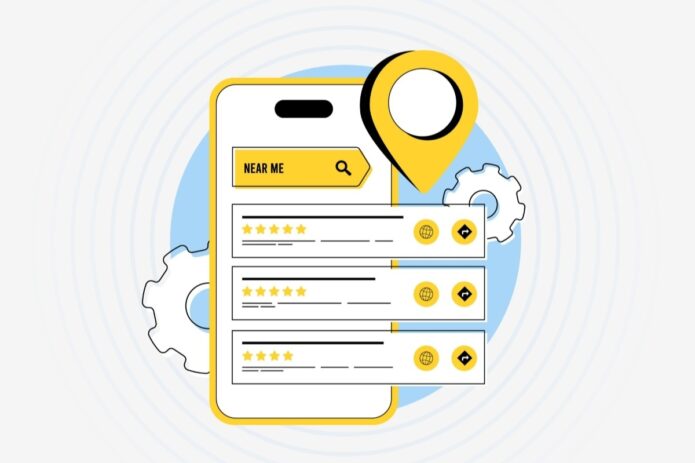
The New Rules of “Near Me” Search for Medical Practices in 2026

Patients Don’t Search the Same Way Anymore When patients look for care, they’re not typing full sentences or visiting multiple websites. They’re asking their phones, “Where’s the nearest urgent care?” or saying to a voice assistant, “Find a pediatrician open now.” These simple, conversational requests are what Google calls “near me” searches, and they’ve reshaped…

Details


The New Rules of Patient Acquisition in a Digital-First Marketplace

For years, outpatient practices grew on reputation and referrals. Deliver excellent care, build relationships, and manage patient volume. That model no longer guarantees growth. Patients now behave like digital consumers. They research, compare, and decide at the same speed and with the same expectations they bring to every other purchase. Referrals and reputation still matter,…

Details

How Reviews Influence Google Rankings and Local Visibility

Why Google Uses Reviews as a Ranking Signal When patients search for a medical provider, they often start with Google. The search results page, especially the local map section, shapes which practices patients consider first. Even before visiting your website or calling your office, patients form strong impressions from what they see in search results.…

Details

How Medical Practices Can Compete with Hospital Systems on Google

Why Bigger Isn’t Always Better in Search Independent medical practices often assume they can’t compete online with hospital systems or corporate healthcare groups. After all, hospitals have entire marketing departments, large ad budgets, and brand recognition that stretches across entire regions. Yet on Google, size and spending don’t guarantee visibility. What matters more is relevance,…

Details

Why Advertising Alone No Longer Fills the Schedule

Every practice that has ever launched a paid campaign knows the pattern: calls spike briefly, results look promising, and then momentum fades. What was once a dependable shortcut to fill the schedule has become an unpredictable expense. Advertising still matters, but it no longer drives growth on its own. Paid media creates visibility, and without…

Details

AI Content Creation in Healthcare: Balancing Efficiency and Credibility

The Promise and the Problem of AI in Medical Marketing Artificial intelligence has transformed how healthcare organizations create marketing content. From service-line blogs to patient-education articles, AI tools can draft polished prose in seconds. That speed is powerful, but in medicine, it’s also risky. Credibility, accuracy, and compliance cannot be automated. According to Bain &…

Details

How to Measure Online Visibility by Patient Actions, Not Clicks

Why Traffic Isn’t the Same as Growth For years, medical practices have measured marketing performance by website traffic, but those numbers tell only part of the story. Visibility without patient action doesn’t fill schedules or support growth. Modern patient behavior and Google’s evolving search design mean most interactions now occur before a website visit. One Bain…

Details

Replacing Referrals with a Digital Discovery System

For decades, independent medical practices relied on a single, reliable growth engine: referrals. Primary care physicians recommended specialists. Specialists referred to imaging centers or surgical partners. Trust circulated through professional networks that kept patient volume steady. That ecosystem no longer guarantees stability. Consolidation, closed networks, and consumer autonomy have changed how patients find care. Today,…

Details

Turning Negative Reviews Into Opportunities for Transparency

Negative reviews can feel discouraging, even for practices that consistently deliver excellent care. They stand out on a page, draw attention quickly, and often create an emotional reaction for both staff and leadership. It is natural to feel concerned when a patient posts a critical comment because healthcare providers invest so much effort into creating…

Details