Rebuilding Growth Pipelines Without Referrals: Digital Acquisition for Independent Practices

In most modern private practices, patient growth wasn’t something physicians had to manage. It happened naturally. Referrals from primary care physicians, loyal patients, and community relationships created a dependable pipeline that kept schedules full. That model has collapsed. Consolidation, closed networks, and consumer autonomy have fundamentally changed how patients choose care. Referrals still exist, but…

Details

How to Future-Proof Your Marketing as AI Redefines the Patient Journey

Why the Marketing Environment Is Volatile, But Growth Doesn’t Have to Be The digital landscape for medical practices is changing faster than ever before. Generative AI, zero-click search, and voice-driven assistants are rewriting how patients discover and evaluate care options. Advertising platforms are increasingly automated, and algorithms now update in real time. For many independent…

Details

How to Measure Reputation Success Beyond Star Ratings

Why Star Ratings Don’t Tell the Whole Story Many practice leaders focus solely on the star rating on their online profiles. Star ratings are visible, easy to understand, and among the first things patients see when they search for care. However, star ratings alone do not capture the full picture of reputation strength. What influences…

Details

Why Online Visibility Is No Longer a Marketing Project

Visibility Has Become Infrastructure For years, medical practices have treated online visibility as marketing initiatives. A new website here, a short-term SEO campaign there. The assumption was that visibility could be “fixed” periodically. To succeed, visibility must become a living system that connects patients to your practice every day, much like phone systems or scheduling…

Details

The Digital Trust Cycle: How Search, Reviews, and Web Experience Work Together to Drive Bookings

Every practice wants to believe that patients choose based on the quality of care. Clinical excellence absolutely matters, but it no longer shapes first impressions. Patient trust now forms long before a phone call or first appointment, through the signals they encounter online: search visibility, reviews, and web experience. These three forces work together continuously…

Details

Practical Ways Medical Practices Can Use AI for Marketing in 2026

AI Is Changing Healthcare Marketing, But Practicality Still Wins Artificial intelligence now touches nearly every part of modern marketing. It identifies patient search patterns, drafts content outlines, adjusts ad bids, and predicts when patients are most likely to schedule their next visit. For independent outpatient medical practices, the goal is to attract and retain the…

Details

The Hidden ROI of Reputation Management vs. Paid Advertising

Why Advertising Alone Cannot Drive Patient Growth Medical practices often feel pressure to invest in paid advertising to compete in crowded markets. Ads promise quick visibility, more clicks, and a steady flow of new patient inquiries. When schedules fluctuate or competitors become more active, paid advertising can seem like the most direct way to boost…

Details

The New Rules of “Near Me” Search for Medical Practices in 2026

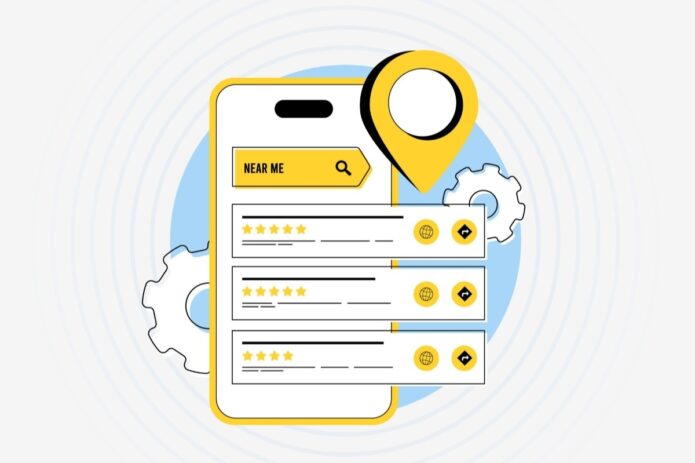
Patients Don’t Search the Same Way Anymore When patients look for care, they’re not typing full sentences or visiting multiple websites. They’re asking their phones, “Where’s the nearest urgent care?” or saying to a voice assistant, “Find a pediatrician open now.” These simple, conversational requests are what Google calls “near me” searches, and they’ve reshaped…

Details

The New Rules of Patient Acquisition in a Digital-First Marketplace

For years, outpatient practices grew on reputation and referrals. Deliver excellent care, build relationships, and manage patient volume. That model no longer guarantees growth. Patients now behave like digital consumers. They research, compare, and decide at the same speed and with the same expectations they bring to every other purchase. Referrals and reputation still matter,…

Details

How Reviews Influence Google Rankings and Local Visibility

Why Google Uses Reviews as a Ranking Signal When patients search for a medical provider, they often start with Google. The search results page, especially the local map section, shapes which practices patients consider first. Even before visiting your website or calling your office, patients form strong impressions from what they see in search results.…

Details

How Medical Practices Can Compete with Hospital Systems on Google

Why Bigger Isn’t Always Better in Search Independent medical practices often assume they can’t compete online with hospital systems or corporate healthcare groups. After all, hospitals have entire marketing departments, large ad budgets, and brand recognition that stretches across entire regions. Yet on Google, size and spending don’t guarantee visibility. What matters more is relevance,…

Details