Guidance on monitoring reviews, responding to feedback, and protecting a strong online reputation that influences patient trust and local search ranking.
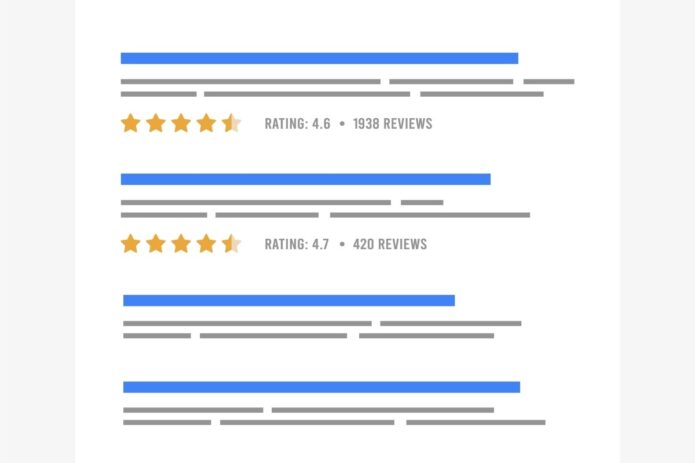
Why Google Uses Reviews as a Ranking Signal When patients search for a medical provider, they often start with Google. The search results page, especially the local map section, shapes which practices patients consider first. Even before visiting your website or calling your office, patients form strong impressions from what they see in search results.…
Why Multi-Location Practices Face Unique Reputation Challenges Patients perceive a multi-location medical group as a single brand, even when each location operates with its own team, workflows, and patient volume. When people search for care, they do not know the differences between internal processes or staffing structures. They simply see the name of the practice…
Negative reviews can feel discouraging, even for practices that consistently deliver excellent care. They stand out on a page, draw attention quickly, and often create an emotional reaction for both staff and leadership. It is natural to feel concerned when a patient posts a critical comment because healthcare providers invest so much effort into creating…
Recency has become one of the strongest signals patients use when evaluating a medical practice online. Even a high overall rating loses influence when the most recent review is months or even years old. Patients want to understand what the experience feels like today, and fresh reviews give them greater confidence that your practice is…
Patients rely heavily on online reviews when choosing a medical provider. For many, reviews are the very first thing they check, even before visiting a website or calling the office. Because of that, star ratings have become one of the strongest influences on whether a patient decides to contact a practice at all. This shift…
Most medical practices want more positive reviews, yet very few have a reliable way to generate them. Staff may occasionally ask patients, or a practice might send out a small batch of requests during a slow month. But without a simple, consistent process, review activity becomes unpredictable. Some months bring several positive reviews; others go…
Reputation may seem like a soft concept, but it has very real financial implications for medical practices. Many practice leaders think of reviews as affecting public perception, but not necessarily day-to-day operations or revenue. In reality, online reputation influences patient behavior much earlier and more deeply than most practices realize. It affects how many patients…
Many medical practices think of reputation as something they manage only occasionally. They might ask for reviews when they remember, respond to a negative comment when one appears, or check their online profiles during a quiet moment. For busy providers and administrators, this is entirely understandable. You already have more than enough to manage in…
Patients make decisions differently today than they did even a few years ago. In the past, people often relied on personal referrals, insurance directories, or physician recommendations when choosing a new provider. Now, for most patients, the decision starts online. They search for nearby practices, scan the star ratings, read a handful of reviews, and…
Patients no longer choose medical providers the way they used to. Years ago, personal referrals and professional networks were the main ways people found a new doctor. Now, most patients turn to online reviews first, and that shift has reshaped how medical practices are discovered, evaluated, and ultimately chosen. For many busy practice owners and…
With healthcare decisions increasingly influenced by online information, managing your practice’s reputation is crucial. For many potential patients, a medical practice’s online reputation is their first point of contact, shaping whether they decide to book an appointment or look elsewhere. Patient reviews, both positive and negative, hold immense power in building or damaging a healthcare…
When potential patients research healthcare providers, they rely heavily on the experiences of others to guide their decisions. Online reviews and patient testimonials act as modern word-of-mouth, influencing perceptions and building trust before a patient even steps into your office. In the increasingly digital landscape of healthcare, leveraging social proof is no longer optional—it’s essential.…