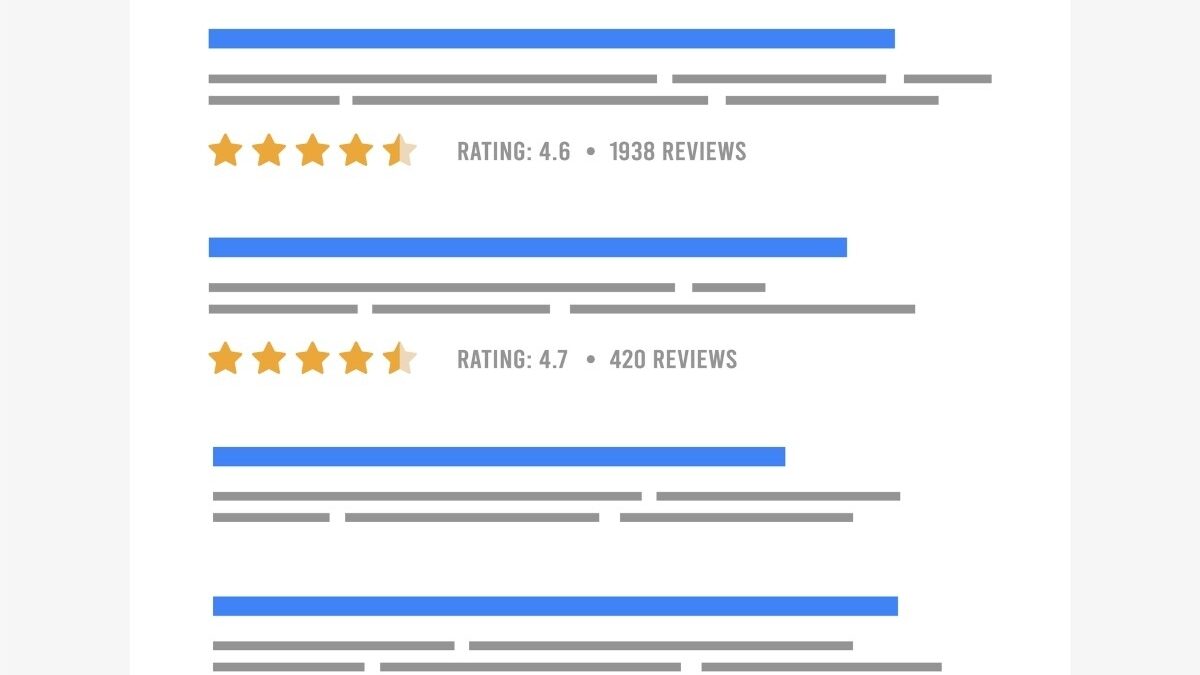
Recency has become one of the strongest signals patients use when evaluating a medical practice online. Even a high overall rating loses influence when the most recent review is months or even years old. Patients want to understand what the experience feels like today, and fresh reviews give them greater confidence that your practice is active, consistent, and providing quality care right now.
A steady flow of new reviews also helps search engines understand that your practice remains relevant and trusted. Search platforms prefer to show providers with ongoing engagement because it suggests the practice delivers consistent value. Practices that rely on infrequent review pushes, or that allow long gaps between new feedback, end up losing both patient trust and online visibility without realizing it.
Maintaining recency does not require aggressive marketing or complicated tools. With a simple, predictable system, practices can gather honest feedback in a way that feels natural for patients and manageable for staff.
Why Recent Reviews Carry More Weight Than Older Ones
Patients rely on recency to understand whether the feedback they see still applies. When reviews are outdated, patients begin to question whether staffing, communication, availability, or office operations have changed. Even when older reviews are positive, their relevance fades over time.
Recent reviews assure patients that the practice is stable. They provide a real-time view of what others are experiencing now, helping patients feel more confident about moving forward with scheduling. It’s not unusual for a patient to discount older comments entirely if the timeline suggests that the practice has not received feedback in many months.
Recency is particularly important for first-time patients. They are already navigating uncertainty about choosing a new provider. Seeing fresh, positive feedback reduces hesitation and helps them feel safe engaging with your practice.
How Recency Helps Patients Compare Providers Quickly
Patients often evaluate several providers in a short period. They look at ratings, skim comments, and check dates without reading every review. Recency becomes a simple and efficient way for them to narrow their options.
When two practices have similar ratings, the one with more recent reviews usually feels more trustworthy. Patients perceive recent activity as evidence of consistent performance. A practice with outdated feedback may be seen as less active or less reliable, even when that is not the case.
This comparison happens quickly. Patients use visible cues to make decisions efficiently, and recency has become one of the most influential cues. A steady flow of reviews allows your practice to stand out at these early decision points.
Why Recency Matters to Search Engines as Much as to Patients
Search engines want to recommend providers that patients trust. They evaluate recency as a sign that patients are actively engaging with your practice and sharing their experiences. A practice with regular review activity tends to appear more relevant to search platforms because it demonstrates ongoing value to patients.
Steady review flow also supports something called review velocity, which refers to how often new reviews are posted. Search engines prefer natural, consistent activity rather than large spikes followed by long periods of inactivity. A stable review pattern signals that the practice is delivering care consistently, which can improve search visibility and map placement.
Practices do not need to understand the technical details behind these signals. What matters is maintaining predictable engagement so that search engines continue to view the practice as current, credible, and helpful to patients.
Why One-Time Review Pushes Create the Wrong Impression
Some practices try to strengthen their reputation by sending out a large number of review requests at once. While this may temporarily increase review volume, it creates noticeable patterns that both patients and search engines interpret differently than intended.
Patients may wonder why so many reviews appeared within a short timeframe. They may assume there was a major change at the practice or that the team was aggressively seeking feedback. Either interpretation can undermine trust, even when the goal was positive.
Large spikes also make the profile look quiet afterward. When review activity slows again, the recency of feedback quickly fades. Search engines may reduce visibility, and the practice ends up facing the same challenges it had before the spike. Recency cannot be replaced by a single push. It must be maintained consistently.
Why Steady Review Activity Feels More Authentic to Patients
Patients trust what feels natural. When reviews appear gradually and predictably, the feedback pattern resembles what patients expect from a busy, well-managed practice. It feels authentic and transparent.
A consistent review flow also helps provide balanced context. Occasional negative reviews are easier for patients to interpret when surrounded by steady, recent positive feedback. This balance reduces the impact of occasional criticism and supports a more accurate picture of patient experience.
Authenticity matters because patients want to feel confident they are making the right choice. Steady recency helps create that confidence.
How Practices Can Maintain Recency Without Adding Work
Maintaining a steady review pattern does not require extra burden on staff. The key is creating a simple, predictable process that consistently invites feedback. When the process is standardized, it happens naturally and reliably, without relying on staff memory.
A practical approach includes:
- Sending a brief, neutral review request after each visit
- Using simple language that respects patient choice
- Providing a direct link to the review page
- Avoiding mention of any medical details or visit content
- Timing messages so they feel natural and unobtrusive
Practices can also use short, single-question feedback tools to understand patient sentiment. This kind of method helps identify patients who have had a positive experience and are comfortable leaving a public review. Because the question is simple, patients respond more frequently, which helps maintain recency without adding complexity.
Why Recency Matters Even More for Multi-Location Practices
Different locations often accumulate reviews at different rates. Some may receive steady feedback simply due to higher patient volume, while others may fall behind through no fault of their own. Patients interpret these differences as meaningful, even if the care is identical.
A location with many recent reviews looks more active. A location with very few or outdated reviews looks less stable or less popular. This affects patient choice, which in turn affects provider utilization and revenue distribution across the organization.
A unified, consistent process helps ensure every location maintains recency. Patients then see the entire organization as cohesive and reliable, regardless of where they seek care.
Why Recency Protects Against the Impact of Negative Reviews
Negative reviews happen in every practice. They are a natural part of serving the public and do not necessarily reflect poor quality care. The challenge arises when recent reviews are scarce. In those moments, a single negative comment becomes much more visible and influential.
Steady review recency dilutes the impact of individual negative experiences. Patients interpret negative feedback differently when it appears alongside a consistent pattern of recent positive reviews. They assume the negative comment represents an isolated situation rather than a recurring problem.
Maintaining recency provides context, and context builds confidence.
If You Want a Consistent Way to Keep Reviews Fresh
If you’d like a simple, HIPAA-safe way to maintain steady review activity and identify satisfied patients who are comfortable sharing their experience publicly, our Patient Promoter system can support you. It uses a single-question feedback method and a predictable process to generate ongoing reviews without adding work for your staff. You’re welcome to schedule a conversation with Net One Click whenever the time is right.